Beach Ball Floating
A Craft Fair Designer’s First Look at Beach Ball Floating
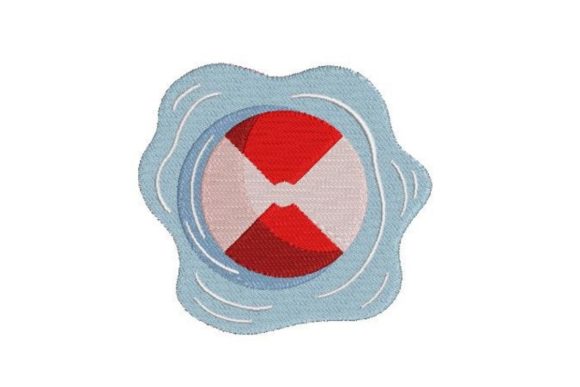
As an embroidery designer who’s prepped over 200 craft fair booths—from Portland maker markets to Florida beachside pop-ups—I opened Beach Ball Floating with one question: *Does this stop a shopper mid-aisle?* The answer is yes—but not for the reasons you might expect. It’s not flashy or oversized. It’s cheerful, light, and effortlessly summery—like a breath of salt air on a hot Saturday morning. It reads as modern-cute with a touch of playful nostalgia—not too childish, not too minimal. That balance is gold for handmade markets where buyers want personality *and* polish.
Where Beach Ball Floating Shines On Real Craft Fair Products
This machine embroidery design thrives where summer energy meets utility. Here’s how it performs across your most reliable small shop products:
- Tote bag design: Centered on a natural canvas tote, Beach Ball Floating pops without overwhelming. Its circular shape and implied motion draw the eye before the buyer even notices the stitching quality.
- Apron embroidery: Perfect above the pocket or centered on the bib—especially on denim or linen aprons. It reads cleanly from 6 feet away, which matters when shoppers are scanning rows of booths.
- Tea towel embroidery: A standout on flour-sack or waffle-weave towels. The design’s open layout avoids competing with fabric texture, and its scale (when sized 3.5–4.5") stays legible after repeated washes.
- Embroidered patch: Works beautifully as a sew-on or iron-on patch for backpacks, denim jackets, or kids’ swim bags. Its clean outline and moderate stitch density hold up well in cut-and-sew production.
- Fabric pouch & pillow cover: Scales down gracefully to 2.75" for mini pouches and up to 5.25" for 16x16" pillow covers—no distortion, no crowding. That flexibility makes it ideal for batch-producing coordinated gift sets.
What Holds It Back (And How to Work Around It)
Beach Ball Floating isn’t trouble-free—and that’s why testing matters. I’ve seen this design lose charm on three common pitfalls:
- Dense stitch areas near the ball’s shadow or highlight: On thick terry cloth towels or textured linen, those zones can puff or blur. Use lightweight tear-away stabilizer *plus* a light topping (like Sulky Solvy) to lock down fibers during stitching.
- Curved cap surfaces: While it *can* go on caps, avoid placing it near the bill curve unless you’ve tested on your exact cap style. The floating illusion breaks if the ball appears tilted or stretched.
- Small sizes on dark fabric: Below 2.5", fine thread contrast fades on navy, charcoal, or black cotton. Stick to light-to-mid fabric tones—or add a subtle satin stitch border in a high-contrast thread (e.g., white on navy) to lift definition.
Why It Converts for Etsy Sellers & Boutique Makers
This isn’t just another beach-themed embroidery file—it’s a *story starter*. Buyers don’t just see “beach ball.” They see vacation memories, lazy afternoons, backyard splash pads, and carefree childhood summers. That emotional hook elevates your handmade product from decorative to meaningful. On Etsy, listings featuring Beach Ball Floating on tea towels or organic cotton totes consistently outperform generic sun or palm motifs in June–August. Why? Because it feels intentional—not clip-art cute, but thoughtfully designed. Pair it with soft thread colors (sky blue, coral, sandy beige) and it reads premium, even on budget-friendly fabrics.
Production Smarts Every Embroidery Business Owner Needs
Before you load Beach Ball Floating into your commercial embroidery machine, do these six things:
- Test on scrap fabric that matches your final product—especially if using terry, fleece, or slubbed linen.
- Check thread contrast under both daylight and booth lighting. What looks vibrant in your studio may mute under tent lights.
- Review spacing between elements—the “floating” effect relies on clean negative space. If your digitizing adds unnecessary fill, ask your digitizer to simplify.
- Confirm hoop size compatibility before batching. This design works comfortably in 4x4 and 5x7 hoops—but verify before cutting dozens of towels.
- Inspect stitch density in the ball’s gradient zones. Over-stitched highlights cause stiffness; under-stitched shadows disappear. Aim for balanced coverage.
- Create at least one real mockup—not just a printable mockup. Drape that embroidered tote over your arm, snap a photo in natural light, and ask a non-crafter friend: *What season does this make you think of?*
Final Thoughts for Creative Entrepreneurs
Beach Ball Floating won’t dominate your booth like a neon flamingo—but it will sell steadily, quietly, and repeatedly. It’s the kind of craft fair product that gets pointed at (“Oh, I *need* that for my niece’s pool party!”), gifted with handwritten notes (“For sunny days ahead!”), and reposted by local boutiques tagging your shop. It supports brand consistency when paired with other light, joyful designs—think flip-flops, lemonade pitchers, or seashell borders. And because it’s scalable, adaptable, and emotionally resonant, it earns its place in your core summer collection—not as filler, but as a foundational design asset.
Just remember: every great handmade product starts with intention. So stitch it right, test it thoroughly, and let Beach Ball Floating do what it does best—bring lightness, clarity, and quiet summer joy to everything it touches.